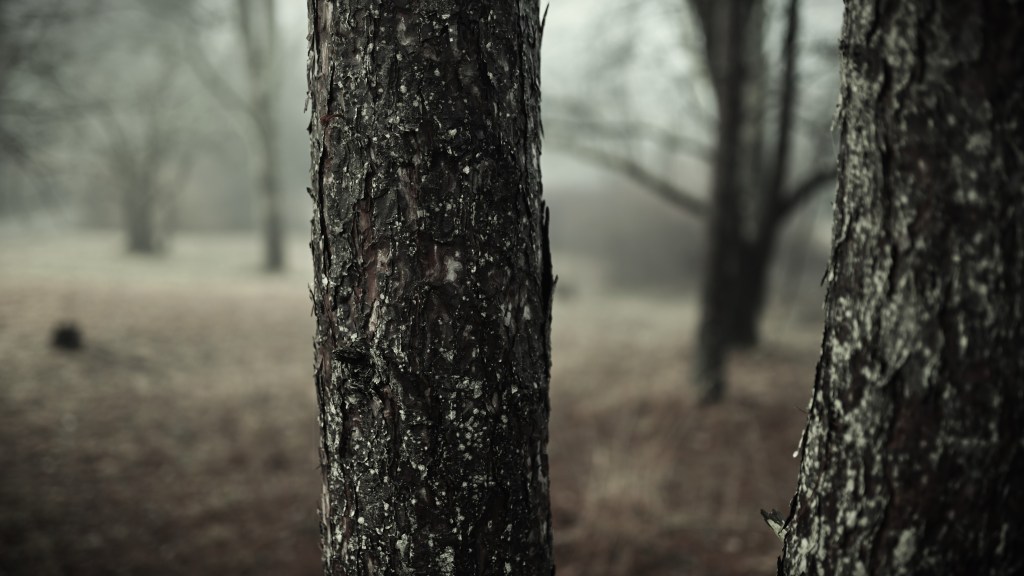
Patterns and edges encase a small stand of pines, holding within their ridges a wonderful treasure of the aromatic variety.
Story time:
In 2006, I graduated high school and after working the summer I left for college. I moved from Rhode Island to the town of Prescott, Arizona, an area that I think was classified as high desert (not sure, I never majored in geology). The environment was new and exciting but not at all what I expected. Being from the northeast, when I thought of desert I thought of saguaro cactuses, sand, and no water except for maybe two times a year when it pours cats and dogs.
It turns out that the area surrounding Phoenix (which is where I flew in on my cross-country flight) was not too far off of my expectations. However, as I made my way up to Prescott, I found the flora to be increasingly varied and interesting. It turned out that this high desert environment had trees. Big trees. One of the biggest ones being the ponderosa pines.
A few months after arriving, I went hiking with some friends and one of them told me that ponderosa pines should have been called Neapolitan pines. Being curious I asked him to explain. He said that if you break a small piece of loose bark off the tree and take a sniff where you break off the bark, it will smell like chocolate, strawberry, or vanilla. It turns out he was right.
Pretty cool, though I later discovered that you don’t have to break off the bark, you just have to get your nose right up against the trunk and you can make out the smell. The pine in this picture is not a ponderosa but the shapes and patterns of the bark look similar, and it brings back fond memories seeing it.
If you ever have to opportunity to sniff a ponderosa pine, I highly recommend it, though any pine will do. They all smell heavenly.
Email s.sanchez4687@gmail.com for full resolution.
 Momentarily Captivated
Leave a comment